Optimal Timing for Fiber Cement Siding
Understanding the optimal time for fiber cement siding installations can enhance durability and installation quality. Weather conditions, temperature, and humidity levels all play crucial roles in ensuring a successful application.
Spring and early fall are generally considered the best seasons due to moderate temperatures and lower humidity levels, which facilitate proper curing and adhesion.
Avoid installation during extreme temperatures, heavy rain, or high humidity, as these conditions can compromise the siding's adhesion and longevity.
Optimal temperature ranges for installation are typically between 50°F and 85°F, ensuring materials set properly without warping or cracking.
Regions with mild climates tend to have fewer weather-related installation delays, making year-round installation more feasible compared to areas with harsh winters or hot summers.
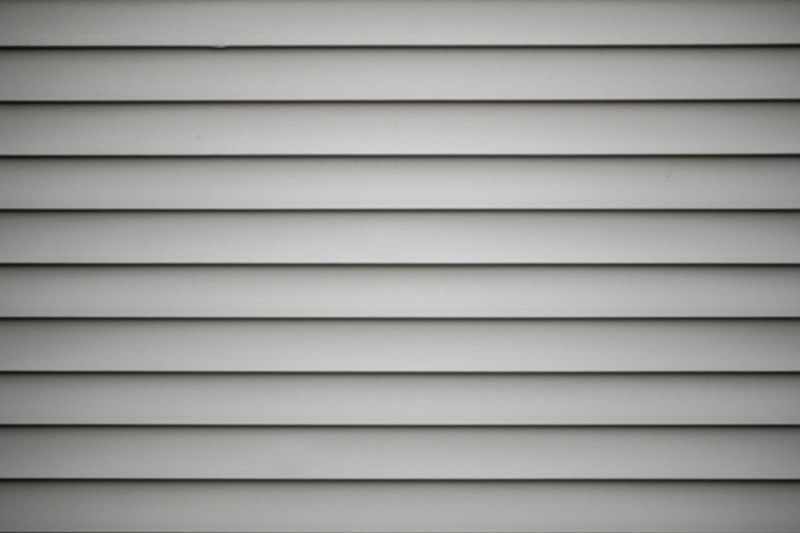
Spring offers moderate weather conditions ideal for siding installation, reducing risks associated with extreme temperatures.
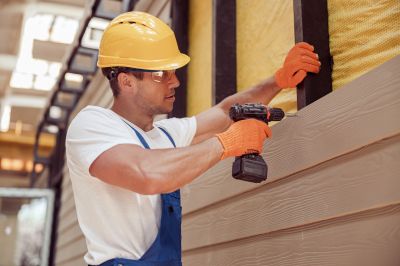
Summer requires careful planning to avoid high heat and humidity, which can affect material performance.
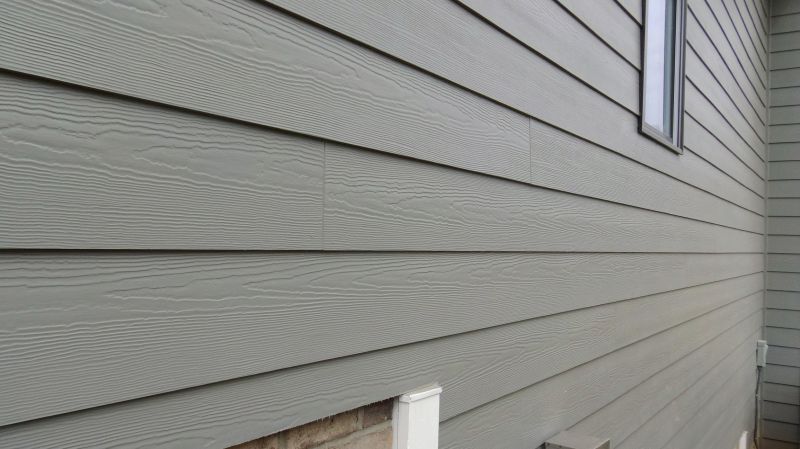
Fall provides cooler temperatures and less rain, making it a preferred season for installation projects.
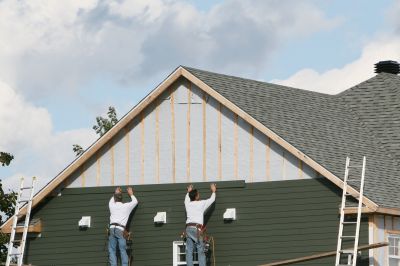
Ways to make Fiber Cement Siding Installations work in tight or awkward layouts.
Popular materials for Fiber Cement Siding Installations and why they hold up over time.
Simple add-ons that improve Fiber Cement Siding Installations without blowing the budget.
Fiber cement siding is a durable, low-maintenance exterior cladding option that combines the aesthetic appeal of traditional materials with enhanced resilience. It resists pests, rot, and fire, making it suitable for various climates. Proper installation timing ensures the siding performs optimally, extending its lifespan and maintaining appearance. The installation process involves precise measurement, cutting, and fastening, often requiring professional expertise to meet industry standards.
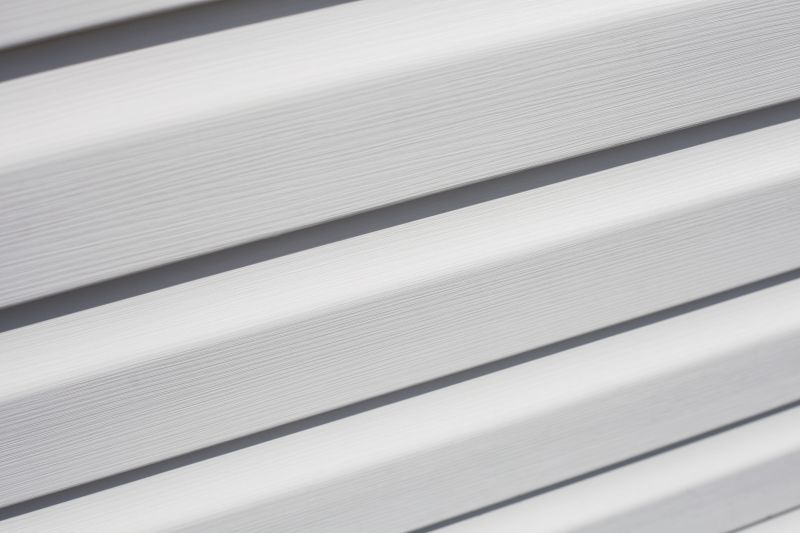
A detailed view highlighting the texture and finish of fiber cement siding.
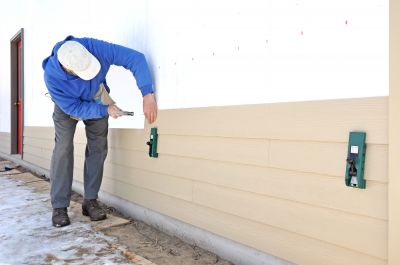
Professionals installing fiber cement siding during optimal weather conditions.
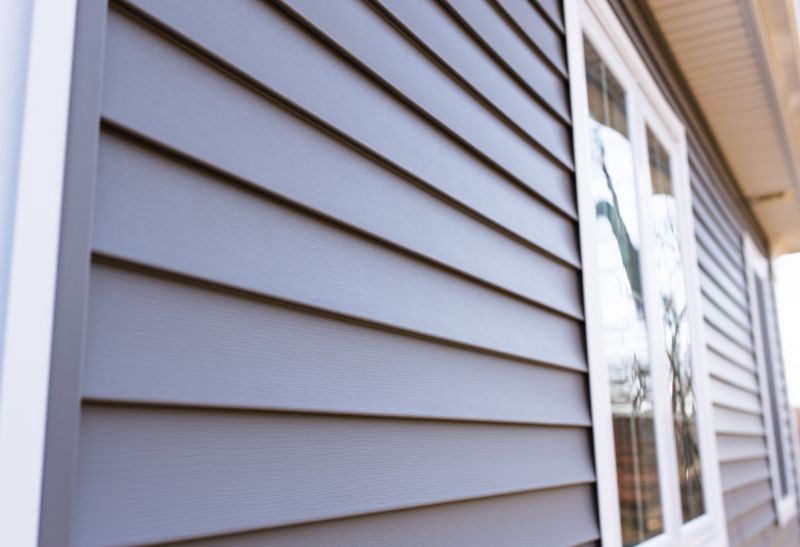
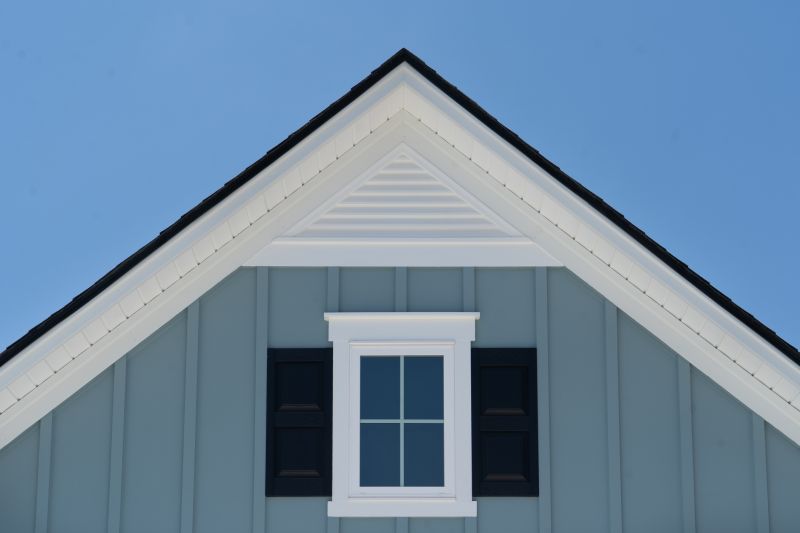
A completed siding project showcasing durability and aesthetic appeal.
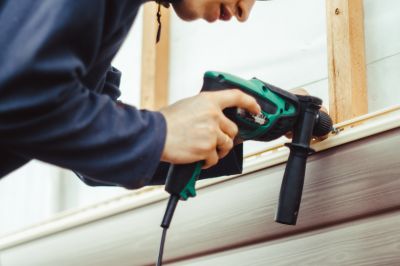
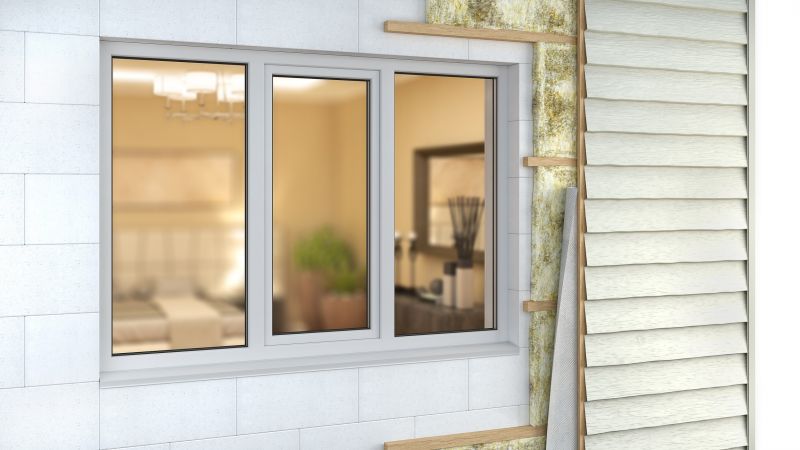
Specialized equipment essential for precise fiber cement siding installation.
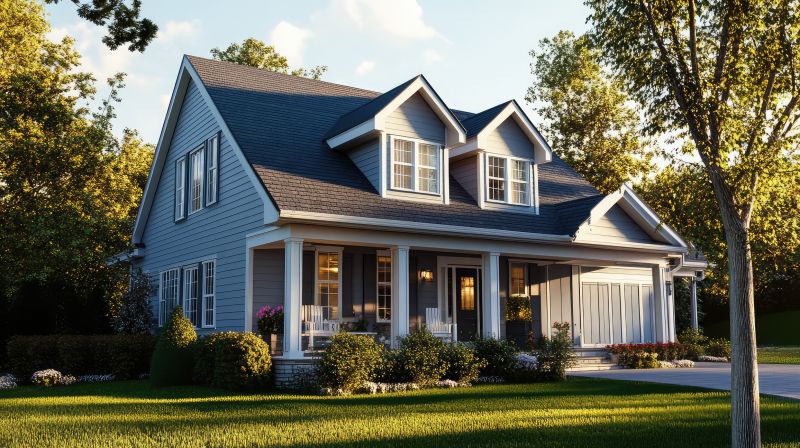
High-end options that actually feel worth it for Fiber Cement Siding Installations.
| Season | Advantages |
|---|---|
| Spring | Moderate temperatures, ideal for curing and adhesion. |
| Summer | Longer daylight hours, but requires caution in high heat. |
| Fall | Cooler weather and less rain support proper installation. |
| Winter | Generally not recommended due to freezing temperatures and snow. |
| Year-round | Possible in mild climates with proper planning and weather monitoring. |
Choosing the right time for fiber cement siding installation can significantly influence the longevity and appearance of the siding. Proper planning around weather conditions minimizes risks such as warping, cracking, or improper adhesion. Consulting local weather patterns and scheduling during favorable seasons can lead to better results and a more efficient installation process.
Interested in fiber cement siding installation? Filling out the contact form can provide access to professional guidance and scheduling options tailored to specific regional climates and project requirements.